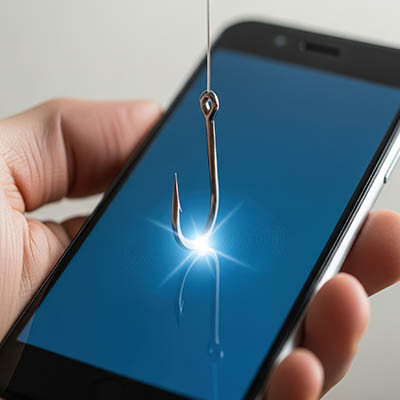


It’s almost impossible to find a workplace these days where mobile devices aren’t part of the furniture. We use them for everything from checking email between meetings to approving contracts while waiting for a latte. When done right, giving your team the ability to work from anywhere is a massive win for productivity.
Itek Systems Blog
The dream of a company-only device policy died about five minutes after the first smartphone hit the market. Whether you officially allow it or not, your team is likely checking Slack from their sofas and answering emails in the grocery line on their personal phones.
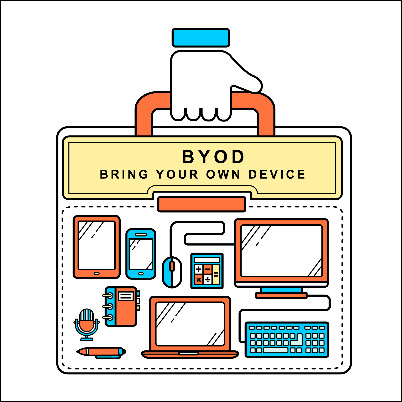
Bring Your Own Device (BYOD) is no longer a perk; it’s the standard. But without a solid strategy, it’s also a security nightmare waiting to happen. Here is how to embrace the flexibility of BYOD without handing the keys to your kingdom to every malware-laden app on the app store.
It’s a symbol that we’ve all become familiar with in recent years: three horizontal lines, representing the menu of whatever application or website is currently in use. Sometimes appearing as three dots, this little icon can be surprisingly important for both the end user and the business using it… especially now that mobile devices are so commonly used for browsing (early this year, 64% of all website traffic was observed to come from these devices).
It’s everyone’s worst nightmare—checking your pockets or purse, then checking them again, trying to feel around for your smartphone, but it’s not there. Where did you leave it, or where did it fall out? Or worst of all, did someone steal it? Regardless of how you lost your smartphone, you need to take these three simple steps to ensure whoever finds it can’t steal your data.